
Top-Rated Products For Siding Repairs To Handle Any Damage
Select from a range of high-performance siding repair solutions suitable for fixing cracks, rot, and other common issues.
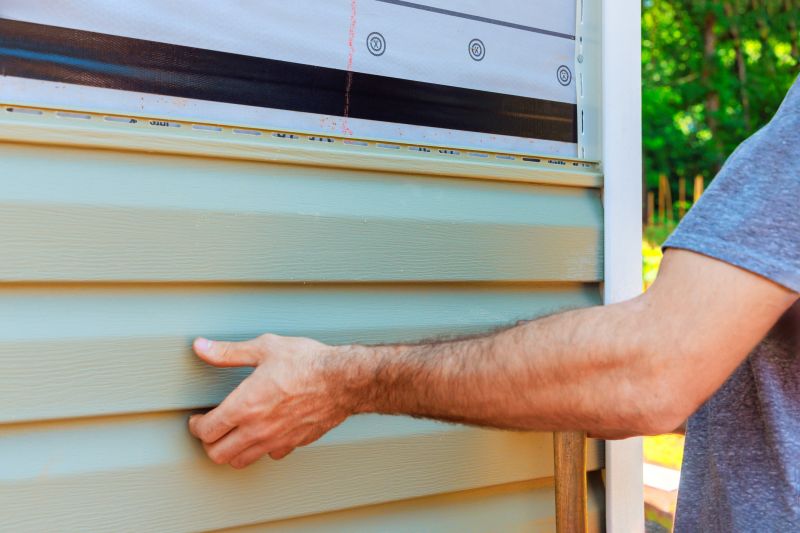 Siding repairs are an essential aspect of maintaining the integrity and appearance of a building's exterior. When damage occurs due to weather, aging, or accidental impact, selecting the right products can help ensure a durable and effective repair. From sealants and adhesives to replacement panels and tools, the variety of available options allows homeowners and professionals to address specific needs with confidence. Proper repair products not only restore the visual appeal but also contribute to the longevity of the siding, preventing further deterioration.
Top Overall Option
Comprehensive Siding Repair Kit
A versatile siding repair kit that includes a variety of adhesives, sealants, patching compounds, and application tools. Designed for ease of use and adaptability, it caters to different siding materials and damage types, making it suitable for both DIY enthusiasts and professionals. The kit provides everything needed to perform minor to moderate repairs efficiently, ensuring a more cohesive and durable finish.
Types of Products For Siding Repairs
Exterior Siding Sealants
Sealants formulated to fill cracks and gaps, providing weatherproofing and preventing water intrusion.
Adhesive Repair Compounds
Strong bonding agents used to reattach loose siding panels or secure patches in place.
Patching and Repair Paste
Ready-to-use compounds that fill holes and surface imperfections for a smooth finish.
Siding Replacement Panels
Pre-made panels designed to replace damaged sections, matching various siding materials.
Siding Repair Kits
All-in-one kits containing multiple repair products and tools for comprehensive fixes.
Power Scrapers and Putty Knives
Tools for removing damaged siding and applying repair compounds with precision.
Color-Matched Paints and Stains
Finishing products to blend repaired areas seamlessly with existing siding.
Waterproofing Membranes
Protective layers that prevent water infiltration behind siding repairs.
Siding Fasteners and Clips
Hardware used to secure loose or sagging siding panels back in place.
Insulation and Backer Rods
Materials used to fill larger gaps and improve thermal efficiency.
Siding Cleaning Solutions
Specialized cleaners to prepare surfaces before applying repair products.
Roofing and Flashing Tape
Sealing tapes useful for waterproofing seams and joints in siding repairs.
Expansion Joint Filler
Materials that accommodate siding movement and prevent cracking.
Heavy-Duty Repair Wraps
Reinforced wraps for patching large damaged sections temporarily or permanently.
Siding Edge Trim
Trim pieces to create clean, finished edges after repairs.
Popular Choices
Widely used for sealing cracks and joints in various siding materials.
Trusted for securing loose panels and attaching repair patches.
Convenient kits for quick fixes on damaged siding sections.
Popular for sealing around windows, doors, and siding joints.
Frequently chosen for replacing sections of damaged or rotting siding.
Effective for sealing seams and preventing water penetration.
Used for filling holes and surface imperfections with a smooth finish.
Reinforcement material for larger patching areas.
Popular for finishing and blending repaired siding with existing surfaces.
Commonly used to secure loose or sagging panels efficiently.
Trusted for sealing joints and seams in various siding types.
Used for filling larger gaps before sealing or caulking.
Popular for quick touch-ups and surface restoration.
Chosen for larger or more extensive siding damage repairs.
Used to create clean, professional edges after repairs.
Choosing appropriate siding repair products involves understanding the material composition of the existing siding and the nature of the damage. For minor cracks and gaps, sealants and patching compounds provide a quick and effective solution. For larger sections or damaged panels, replacement siding or repair kits are necessary. Additionally, tools such as scrapers, putty knives, and specialty applicators facilitate precise application and finishing. Investing in quality products suited to the specific siding material can result in a seamless repair that maintains the structural and aesthetic qualities of the exterior.
Proper preparation before applying repair products is crucial. Cleaning the damaged area thoroughly, removing loose debris, and ensuring a dry surface help improve adhesion and durability. Following manufacturer instructions regarding curing times and application techniques can also enhance the longevity of the repair. Whether tackling a small crack or replacing entire sections, selecting the right products and tools is a key step toward achieving a professional-looking and lasting result. Regular inspections and timely repairs can extend the lifespan of siding, reducing the need for more extensive and costly replacements in the future.
Key Buying Considerations
- Compatibility with existing siding material (vinyl, wood, fiber cement, etc.)
- Type of damage being repaired (cracks, holes, loose panels, etc.)
- Weather resistance and durability of the repair product
- Ease of application and drying time
- Color matching capabilities or the need for painting afterward
- Flexibility of the repair material to accommodate siding movement
- Compatibility with existing sealants or adhesives used previously
- Availability of repair kits versus individual products
- Size and scope of the repair project
- Tools required for application and whether they are included
- Longevity and expected lifespan of the repair
- Resistance to UV rays and temperature fluctuations
- Cost-effectiveness considering the extent of damage
- Manufacturer instructions and recommended curing times
- Reparability for future repairs if needed
This content contains affiliate links. We may earn a commission if you make a purchase through these links, at no additional cost to you.